About Us

We are passionate about building a sustainable and interconnected future, placing airlines, innovation, and industry leaders at the heart of our mission. Together, we explore new possibilities and drive progress through collaboration, transparency, and shared learning. Join us in creating meaningful impact for generations to come.
KLM Smart Supply Chain: Cutting Carbon Through Smarter Logistics
YouTube thumbnail
What We Stand For
Our mission

The Aviation Challenge accelerates progress toward a sustainable, future-ready aviation industry.Through collaborative, solutions-driven competition, we empower bold thinkers to turn ambition into action—reducing environmental impact, strengthening resilience, and connecting the world more responsibly.We are:1. An accelerator – We help airlines align internally, push boundaries, and gain recognition by turning ambition into action through innovation.2. A knowledge hub – We unite changemakers, experts, and partners in a space grounded in science, insights, and openness to learn from one another.3. A community – We’ve built a global network of like-minded pioneers, offering real opportunities to connect, share, and shape the future of flight—together.This is how we move the industry forward—with purpose, partnership, and a commitment to leaving a lighter footprint for generations to come.
Vision

A global aviation community united in innovation, accountability, and shared purpose.We envision an industry where sustainability is not a side initiative, but a core driver of progress—powered by practical solutions, cross-sector collaboration, and a commitment to future generations.

Brand Values
Action with Purpose

We champion practical, scalable solutions that move beyond intention and into implementation.

Collaboration Over Competition

We believe the biggest breakthroughs happen when ideas are shared, not siloed.

Transparency and Accountability

We hold ourselves and our community to high standards, guided by data, integrity, and continuous improvement.


Creativity and Bold Thinking

We champion practical, scalable solutions that move beyond intention and into implementation.

Inclusive Impact

We believe the biggest breakthroughs happen when ideas are shared, not siloed.

We Have Fun

We hold ourselves and our community to high standards, guided by data, integrity, and continuous improvement.

History of TAC
1934
The Greatest Air Race

The spirit of The Aviation Challenge was inspired by the 1934 London to Melbourne race, where pioneering aviators proved the viability of long-distance commercial flight.​

2021
Bold Moves at KLM

The idea for TAC originated from a group of KLM employees known as the Bold Moves, who sought ambitious new ways to make aviation more sustainable.

2022
Launch

The first edition featured 16 SkyTeam airlines operating 22 showcase flights focused on CO₂ reduction and shared innovation.​

2023
Expansion

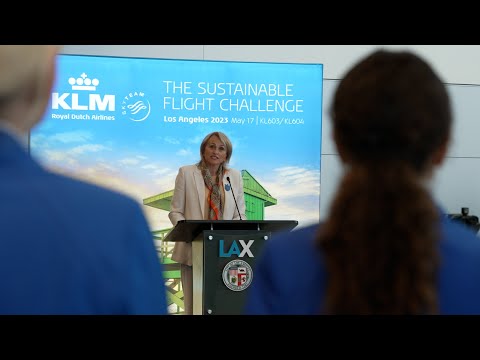
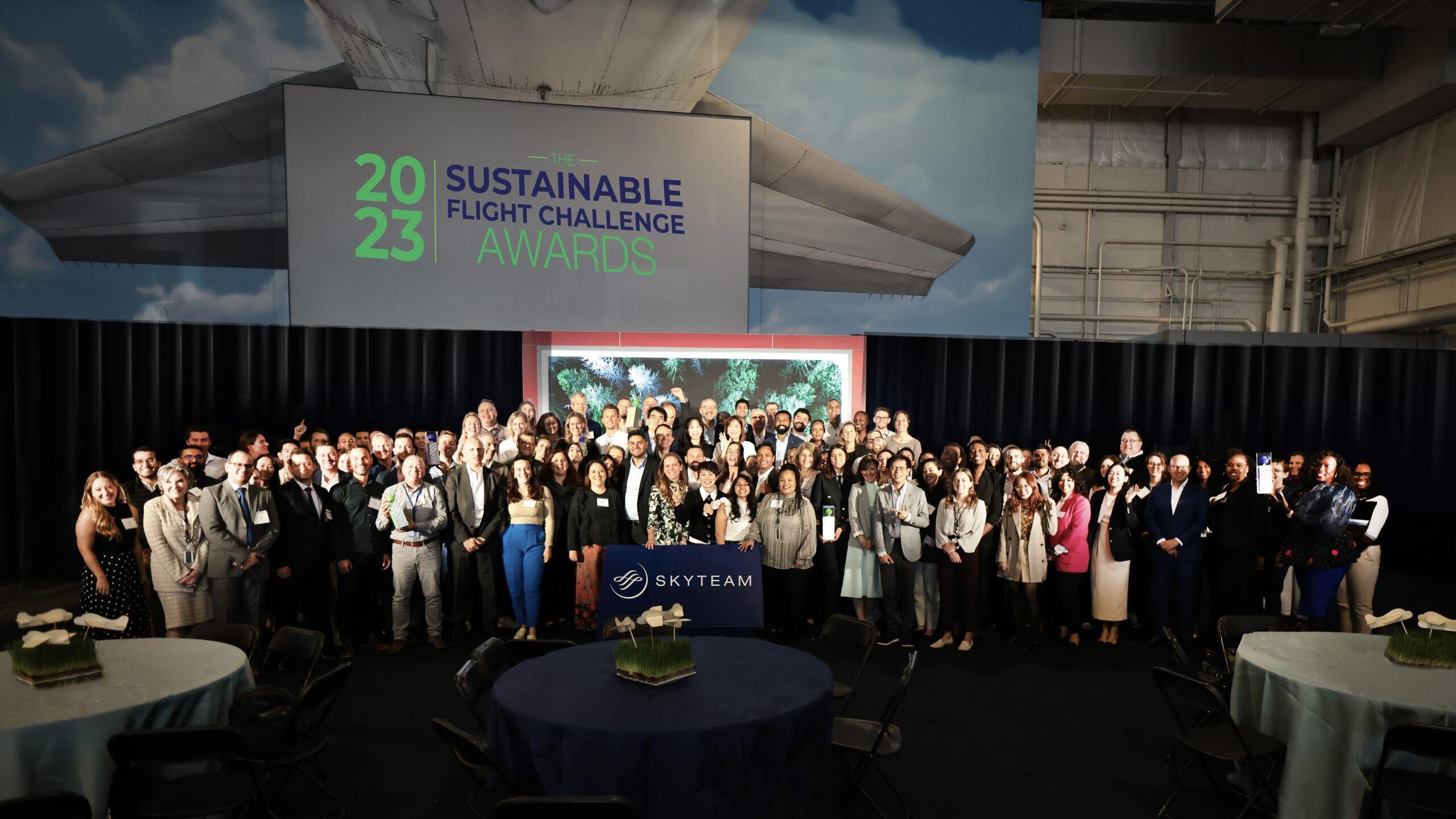
TAC grew to include 22 airlines and 72 flights, welcoming ‘friends and family’ participants. Airlines achieved a 20% improvement over industry averages, excluding SAF impact.​

2024
Adoption

For the first time, non-SkyTeam airlines joined. TAC shifted from single-flight efforts to recognizing broader progress and solution adoption across operations.

2025
Impact

With a focus on measurable outcomes, TAC 2025 highlights real achievements in carbon reduction, energy efficiency, and waste management across the aviation industry.

Previous Editions of TAC
The largest edition to date featured 24 airlines, including two non-SkyTeam participants. Together, they operated 33 showcase flights to test and scale innovative solutions driving sustainability in aviation.
With 22 participating airlines and flights held from 15–28 May, this edition emphasized innovation and collaboration. Airlines implemented their most sustainable solutions, competing across 31 award categories.
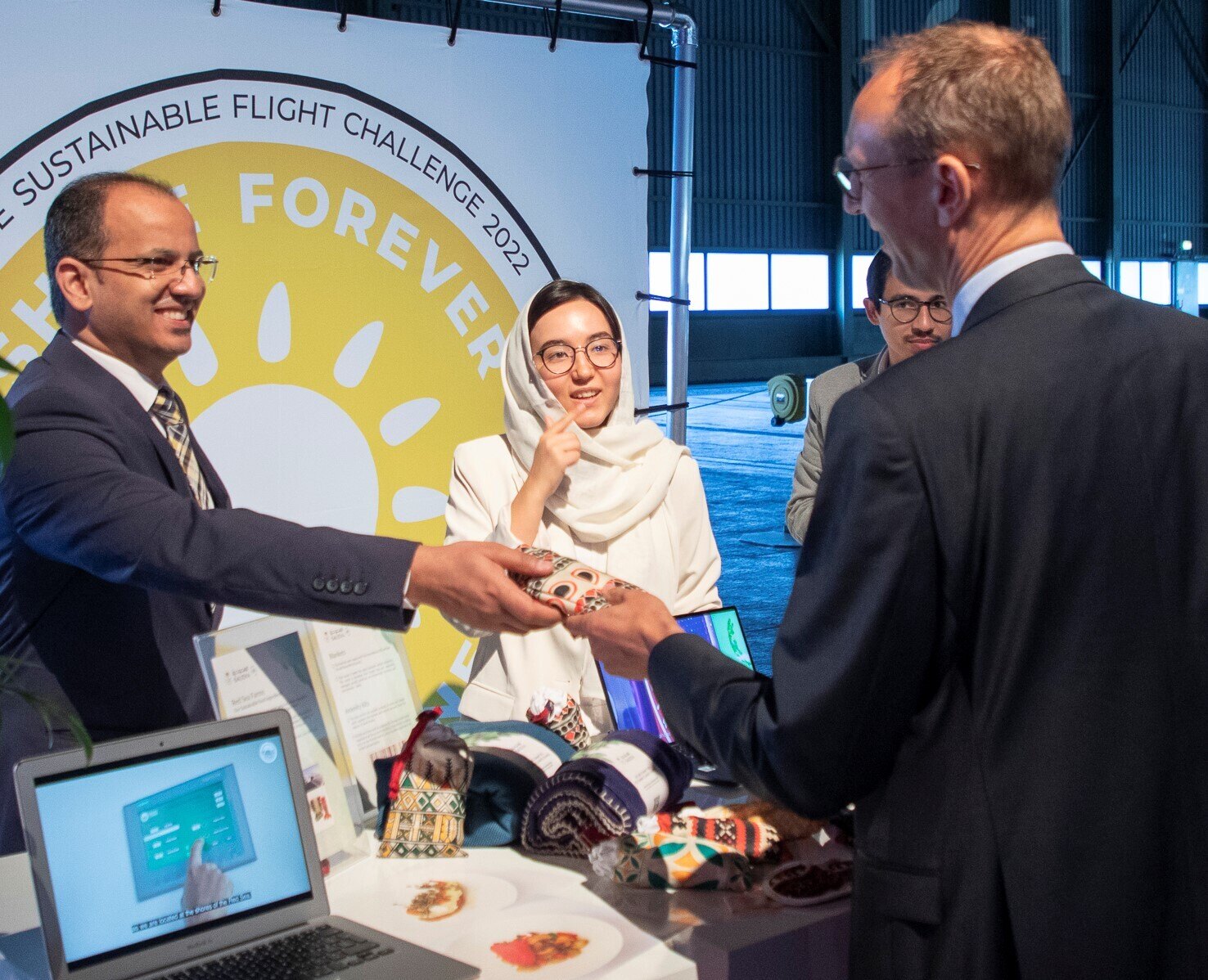
The inaugural challenge set a strong foundation. Airlines achieved a 15% reduction in CO₂ intensity against their own baselines and outperformed the industry average by 32.7%. Despite increased RTK, CO₂ emissions per flight fell by 4.4%, with 64% of flights operated using next-generation aircraft.