Facts & Figures
In 2024, participating airlines submitted 327 solutions, with 18 earning awards for demonstrating a deep investment in long-term progress through the strategic implementation of solutions within their organizations and operations. Two of these award categories specifically recognized airlines that showed exceptional commitment to adopting and building on solutions from previous editions of the Challenge.

The Aviation Challenge Communities Of Practice
TAC’s Communities of Practice bring together everyone working to advance sustainability across key operational areas. These communities focus on connecting those who care - from senior managers to frontline staff. They unite people with hands-on experience, subject matter expertise, and a shared curiosity for change.Solutions are clustered within these communities, each representing a specific focus area. Some solutions are specific to one area, while others span multiple communities. Currently, 18 active Communities of Practice guide and structure solution development across TAC.
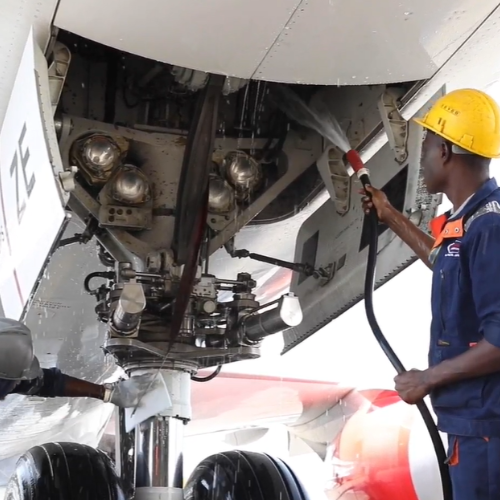
Aircraft Engineering & Maintenance
How we manage aircraft, engines, and components has a major impact on flight sustainability. Smarter maintenance practices, repair strategies, and engineering solutions can reduce waste, extend equipment life, and cut emissions.
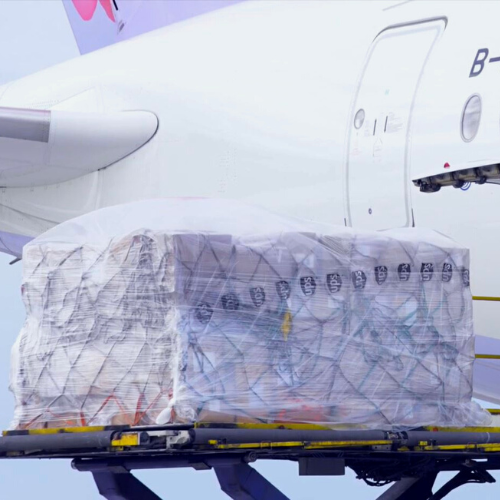
Cargo
Making cargo more sustainable is a challenge—but progress is within reach. From digitizing documents to using lighter materials, operational improvements can lower emissions and increase efficiency when applied with intention.

Catering
Catering has its own environmental footprint and there’s room to improve. By rethinking meals to balance customer satisfaction, health, and sustainability, operations can reduce waste and emissions without compromising on taste.
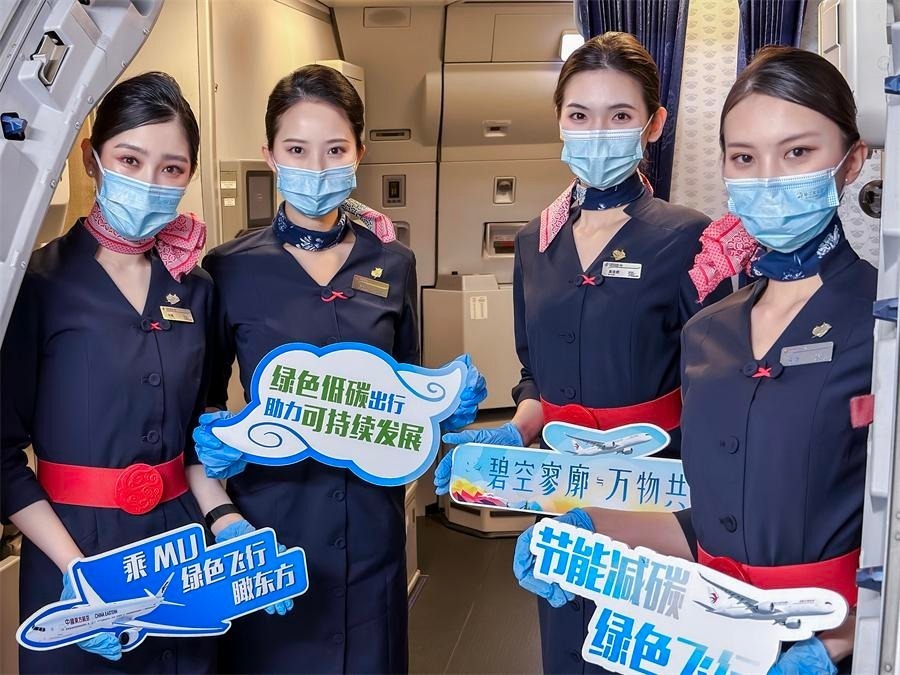
Employee Engagement
Involving employees at all levels is key to driving change. This community of practice focuses on unlocking internal knowledge, ideas, and energy to support innovation and sustainability from within the organization.
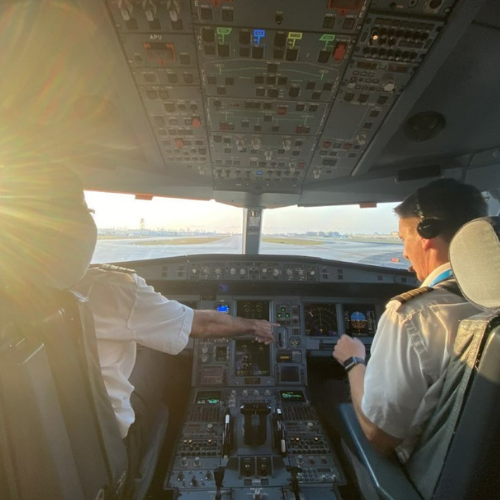
Flight Operations
From dispatching to eco-piloting, flight operations offer major opportunities to reduce emissions. Small changes in how we fly can lead to significant gains in sustainability.

Green IT
Green IT brings together all digital solutions that support sustainability, from smarter data use to energy-efficient systems. By optimizing digital tools and infrastructure, this area helps reduce emissions and improve operational efficiency.